
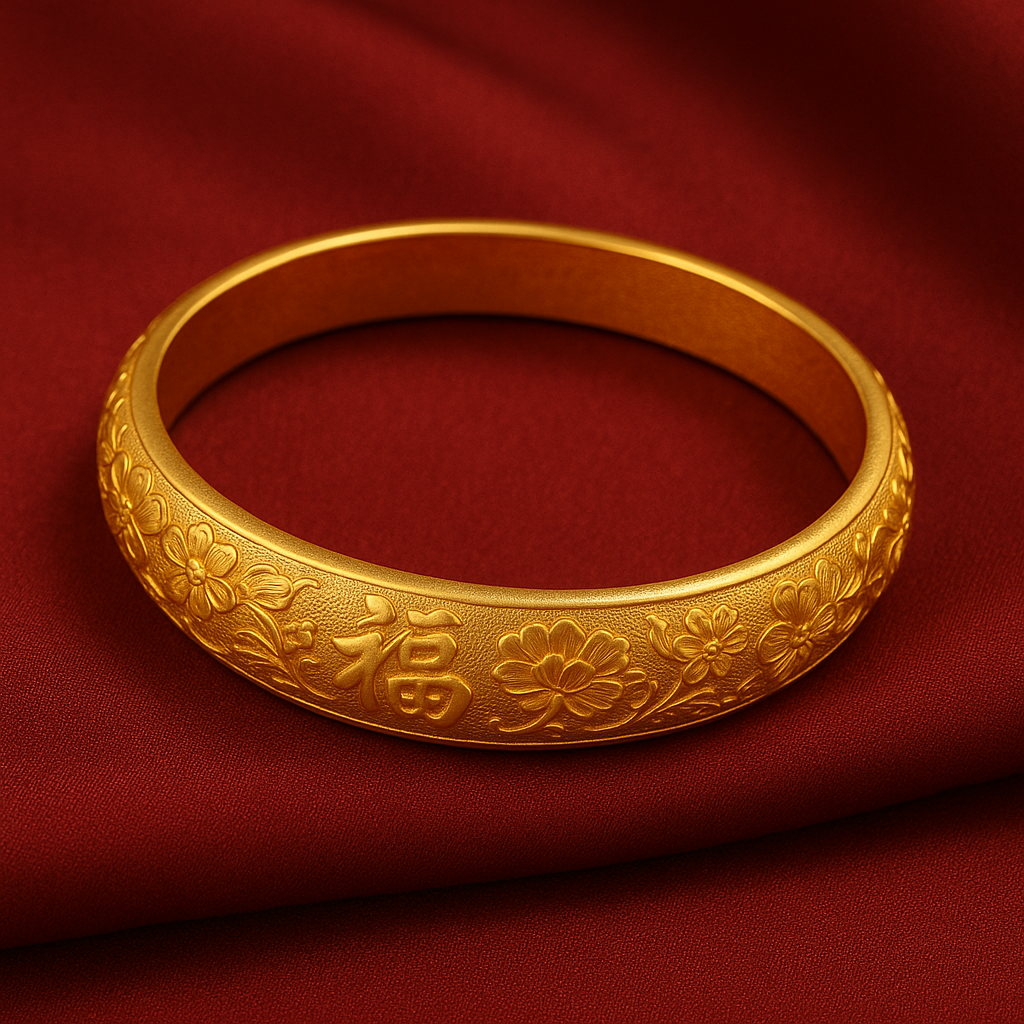
Introduction: The Language of Chinese Gold
To purchase gold in China with confidence is to understand its unique language. This language is spoken not in words, but in numbers stamped on the metal, in the transparent components of its price, and in the storied names of its most trusted brands. For the serious buyer, mastering this vocabulary is the key to transforming from a tourist into an informed consumer. This guide will serve as a primer, decoding the essential elements of the Chinese gold market to ensure a smart and satisfying purchase.
The Gold Standard: A Visual Guide to Purity Marks
The first and most important characteristic of any gold item is its purity. In China, this is typically expressed using a system of fineness, which measures the gold content in parts per thousand.
- Fineness Marks: The most common markings a buyer will encounter are numbers stamped directly onto the jewelry.
- “999”: This signifies a purity of 99.9%. In Mandarin, it is known as 千足金 (qiān zú jīn), or “thousand-foot gold.” This is the most prevalent standard for high-quality 24K gold jewelry.
- “999.9”: This indicates an even higher purity of 99.99%, known as 万足金 (wàn zú jīn), or “ten-thousand-foot gold.” This is considered premium-grade pure gold.
- Cantonese Terminology: In southern China and Hong Kong, one might also hear the term Chuk Kam (足金, zú jīn). This is Cantonese for “full gold” or “pure gold” and is officially defined as having a minimum gold content of 99.0%.
- Karat Comparison: The Karat system, more common in the West, is also understood. A simple conversion helps to contextualize these purity levels.
| Karat (K) | Gold Purity | Fineness Mark | Common Use |
| 24K | 99.9%+ | 999 / 999.9 | The standard for high-value jewelry in China. |
| 22K | 91.7% | 917 / 916 | Popular in Southeast Asia; offers more durability than 24K. |
| 18K | 75.0% | 750 | A common standard in Europe and the US for fine jewelry. |
| 14K | 58.3% | 585 / 583 | The most popular choice in the US for its balance of color and durability. |
Cracking the Code: How Gold Jewelry is Priced in China
Understanding the price calculation is perhaps the most empowering tool for a buyer. In reputable Chinese stores and markets, the final price is not an arbitrary figure but a transparent sum of distinct components.
- The Gold Price: This is the base cost of the metal itself. It is calculated by multiplying the item’s exact weight in grams by the day’s market price for gold. This market price is typically linked to the Shanghai Gold Exchange (SGE) for domestic transactions and closely follows the international spot price. This part of the price is non-negotiable.
- The Craftsmanship Fee (工艺费, gōngyì fèi): This is the charge for the labor and skill required to create the piece. It is the most variable component of the price. For simple, machine-made items like a plain wedding band, the fee might be very low. For complex, handmade pieces involving techniques like filigree or intricate engraving, the fee will be substantially higher. This fee can be quoted as a flat rate for the item or as a per-gram charge (e.g., an additional ¥60 per gram). This is the area where the value of Chinese craftsmanship becomes apparent and is the most logical focus for a buyer’s attention. Instead of asking for a general discount, a more informed approach is to inquire specifically about the craftsmanship fee.
- The Brand Premium: This is an additional cost associated with major, well-known brands. It covers their marketing, store overhead, design innovation, and reputation. While this premium is significant at luxury retailers, it is largely absent in wholesale markets like Shuibei, which is a primary source of the cost savings found there.
Titans of the Trade: An Introduction to China’s Premier Jewelry Brands
For travelers who prefer the security and curated experience of a branded store, China’s domestic market is dominated by a few key players, each with a distinct identity.
- Lao Feng Xiang (老凤祥): The Heritage Brand. Founded in 1848, Lao Feng Xiang is the elder statesman of Chinese jewelry. Its brand is synonymous with tradition, quality, and classic designs that often draw from deep cultural motifs. It is particularly revered for its mastery of ancient techniques like gold filigree.
- Chow Tai Fook (周大福): The Market Leader. Established in 1929, Chow Tai Fook is arguably the most recognized jewelry brand in Greater China, with a vast retail network. It is known for its wide range of products, from traditional 24K gold to modern diamond jewelry, and for its innovative marketing, including collaborations with international brands and popular culture icons.
- Chow Sang Sang (周生生): The Modern Innovator. While also a heritage brand, Chow Sang Sang has successfully cultivated an image that appeals to a younger, more fashion-forward demographic. It is particularly famous for its “Charme” collection of gold charms and often features more contemporary and minimalist designs.
| Brand | Founded | Known For | Target Audience |
| Lao Feng Xiang | 1848 | Traditional craftsmanship, cultural heritage, 24K gold filigree. | Buyers seeking classic, timeless pieces with deep cultural significance. |
| Chow Tai Fook | 1929 | Massive retail presence, diverse product range, brand collaborations. | A broad demographic, from traditional buyers to modern, brand-conscious consumers. |
| Chow Sang Sang | 1934 | Contemporary designs, popular charm collections, appealing to younger customers. | Fashion-forward consumers, gift-givers, and younger generations. |
Frequently Asked Questions (FAQ)
What is a typical processing fee for a gold bracelet in China? The processing fee, or craftsmanship fee, varies widely based on complexity. A simple, machine-made 20-gram bangle might have a fee of a few hundred RMB. A highly intricate, handmade piece of the same weight could have a fee that is significantly higher, potentially over a thousand RMB. In wholesale markets, fees might be quoted per gram, for instance, ¥30-¥80 per gram on top of the gold price.
Is 24K gold too soft to wear every day? For certain items, yes. Because pure gold is very malleable, a 24K ring worn daily is likely to get scratched and lose its shape over time. It is not recommended for setting valuable stones like diamonds. However, 24K gold is perfectly suitable for less exposed items like pendants, earrings, and bangles that are worn with a bit more care.
Are brands like Chow Tai Fook significantly more expensive than market stalls? Yes. While these brands also use the “gold price + fee” model, their craftsmanship fees and overall brand premium are higher to account for their store locations, marketing, and design teams. The trade-off is a highly consistent level of quality, excellent customer service, and the assurance that comes with a globally recognized brand. A buyer pays more, but also receives more in terms of service and brand value.
What are gold hallmarks and should I look for them? Hallmarks are stamps on precious metal items that certify their purity and origin. While hallmarking is voluntary for manufacturers in China, all reputable brands and vendors will mark their pieces with the purity (e.g., “999”) and their own brand logo. A buyer should always look for these marks as a sign of authenticity.
Refer