
Introduction
Suzhou, often referred to as the “Venice of the East,” is renowned for its classical Chinese gardens and the exquisite craftsmanship of Suzhou-style qipao (cheongsam). This enchanting city seamlessly blends natural beauty, cultural heritage, and traditional fashion, making it a must-visit destination for travelers.
In this guide, we’ll take you through the highlights of Suzhou’s classical gardens, the fascinating history of Suzhou qipao, and offer practical tips on where to buy qipao and capture stunning photos that combine the elegance of the gardens with the charm of this traditional attire.
1. Discovering Suzhou’s Classical Gardens
1.1 The Essence of Suzhou Gardens
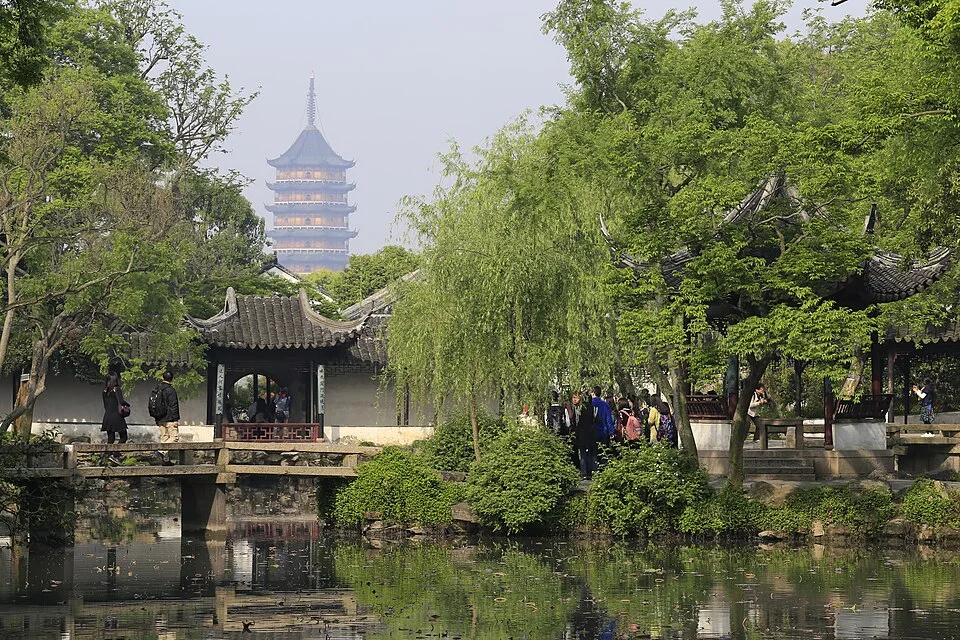
Suzhou gardens are masterpieces of Chinese landscape design, combining natural elements, architectural elegance, and philosophical principles. These gardens are UNESCO World Heritage Sites and provide a tranquil escape from the bustling city.
1.2 Must-Visit Gardens in Suzhou
- The Humble Administrator’s Garden (拙政园)
The largest and most famous of Suzhou’s gardens, known for its intricate water features, bridges, and pavilions. - The Lingering Garden (留园)
Famous for its stunning rockeries and poetic layout, perfect for quiet reflection. - The Master of the Nets Garden (网师园)
A compact yet exquisitely designed garden showcasing the harmony between architecture and nature. - The Lion Grove Garden (狮子林)
Renowned for its labyrinthine rock formations, making it a fun and picturesque spot.
1.3 Tips for Visiting Suzhou Gardens
- Best Time to Visit: Spring and autumn offer the most picturesque scenes with blooming flowers or colorful foliage.
- What to Bring: Comfortable walking shoes, a camera, and a light scarf or qipao for photos.
- Etiquette: Respect the serene atmosphere by speaking softly and avoiding littering.
2. The Story of Suzhou Qipao
2.1 The Origins of Qipao
The qipao originated in the Qing Dynasty and gained popularity during the 1920s and 1930s in Shanghai. Suzhou’s version of the qipao is celebrated for its refined tailoring, silk fabrics, and intricate embroidery.
2.2 Why Suzhou Qipao Is Unique
- Silk Craftsmanship: Suzhou has a long silk-making tradition; inspect fibre content and workmanship rather than assuming every item sold there is high quality.
- Elegant Design: Suzhou qipao emphasizes grace and sophistication with traditional motifs and modern aesthetics.
- Handmade Embroidery: Skilled artisans create intricate patterns, such as flowers, birds, and Chinese cultural symbols.
3. Where to Buy Authentic Suzhou Qipao
3.1 Top Qipao Shops in Suzhou
- Suzhou No. 1 Silk Factory
Offers a wide range of qipao, from ready-to-wear to custom-made options, and a tour of silk production. - Zhenhu Embroidery Town (镇湖刺绣小镇)
Known for its exquisite hand-embroidered qipao crafted by master artisans. - Guanqian Street (观前街)
A bustling shopping area with a mix of modern and traditional qipao boutiques.
3.2 Custom-Made Qipao
For a personalized experience, consider having a qipao tailored to your measurements. Customization allows you to choose the fabric, design, and embroidery patterns.
3.3 Price Range
- Ready-to-Wear: Compare current prices for the same stated fibre, lining and workmanship. The original price band is not a live quotation.
- Custom-Made: Request an itemised quote covering fabric, embroidery, fittings, alterations and delivery before paying a deposit.
4. Photography Tips: Capturing the Elegance of Suzhou Gardens and Qipao
4.1 Choosing the Perfect Garden
- Opt for gardens like the Humble Administrator’s Garden or Master of the Nets Garden for their iconic backdrops of pavilions, ponds, and rockeries.
4.2 Styling Your Qipao
- Accessories: Pair your qipao with traditional hairpins, a silk fan, or embroidered shoes for an authentic look.
- Color Matching: Choose qipao colors that complement the garden’s seasonal palette, such as pastel tones in spring or bold hues in autumn.
4.3 Best Photo Angles
- Frame your shot with archways, bridges, or reflective water surfaces.
- Use the garden’s natural lighting during golden hours (early morning or late afternoon).
4.4 Poses and Expressions
- Strike graceful poses inspired by classical Chinese art.
- Incorporate props like a fan or parasol for added elegance.
5. Exploring the Silk Culture in Suzhou
5.1 A Visit to Suzhou Silk Museum
Learn about Suzhou’s silk-making history and its role in creating luxurious qipao fabrics.
5.2 Silk Workshops
Participate in silk-weaving workshops to understand the intricate process behind qipao production.
6. Plan Your Trip to Suzhou
6.1 Getting There
- From Shanghai: Compare current trains and exact departure/arrival stations on 12306, then allow time to reach the gardens. A short train ride is not the complete door-to-door journey.
- Local Transport: Use taxis or bicycles to explore the gardens and shopping areas conveniently.
6.2 Best Time to Visit
- Spring (March to May): Ideal for blooming gardens.
- Autumn (September to November): Perfect for pleasant weather and fewer crowds.
6.3 Suggested Itinerary
- Morning: Visit the Humble Administrator’s Garden.
- Afternoon: Shop for qipao on Guanqian Street.
- Evening: Consider a Master of the Nets Garden night visit only if a current evening programme is operating and you have the appropriate ticket.
Suzhou FAQs
What is the best garden to visit in Suzhou for photography?
The Humble Administrator’s Garden is the most photogenic, with its iconic pavilions and water features.
Where can I buy authentic Suzhou qipao?
The original shortlist includes Suzhou No. 1 Silk Factory and Zhenhu Embroidery Town. Confirm current shops and inspect the fabric and workmanship; a location alone is not an authenticity guarantee.
Can I rent a qipao for photoshoots in Suzhou?
Yes, many shops near the gardens offer qipao rentals for tourists.
What is the price range for a custom-made qipao in Suzhou?
Custom pricing depends on fabric, labour, embroidery and fittings. Obtain a written quotation; the old ¥2,000–¥10,000 range is not a verified current price.
When is the best time to visit Suzhou gardens for beautiful photos?
Spring (for blooming flowers) and autumn (for colorful foliage) are the best times for picturesque scenes.

Related
China entry and transit requirements — see the updated guide
Notes & sources
These notes support the specific corrections above. They do not mean that every sentence, future opening time or individual eligibility has been verified.
Correction notes and source scope
Remove an unverified operational promise or misleading precision; retain the original subject and practical intent.
Editorial correction; no new factual-verification date claimed.Remove an unverified operational promise or misleading precision; retain the original subject and practical intent.
Editorial correction; no new factual-verification date claimed.Remove an unverified operational promise or misleading precision; retain the original subject and practical intent.
Editorial correction; no new factual-verification date claimed.Remove an unverified operational promise or misleading precision; retain the original subject and practical intent.
Editorial correction; no new factual-verification date claimed.Remove an unverified operational promise or misleading precision; retain the original subject and practical intent.
Editorial correction; no new factual-verification date claimed.Remove an unverified operational promise or misleading precision; retain the original subject and practical intent.
Editorial correction; no new factual-verification date claimed.Remove an unverified operational promise or misleading precision; retain the original subject and practical intent.
Editorial correction; no new factual-verification date claimed.Replace obsolete 144-hour/current-year link label; keep existing internal destination for the separately revised entry page.
Editorial correction; no new factual-verification date claimed.