
Introduction
Hangzhou, is home to some of the world’s most celebrated tea plantations. Among them, Longjing tea (Dragon Well tea) stands out as a symbol of Chinese tea culture. For foreign visitors, exploring Hangzhou’s tea gardens is an unforgettable experience that combines nature, tradition, and a deep dive into the art of tea-making. This guide takes you through everything you need to know to enjoy a hands-on tea-picking and tasting journey in Hangzhou.
1. Why Hangzhou’s Longjing Tea Is World-Renowned
1.1 A Legacy of Excellence
Longjing tea has been cultivated in Hangzhou for over 1,200 years, earning its place as one of China’s most famous green teas. It’s prized for its delicate aroma, sweet aftertaste.
1.2 A Unique Microclimate
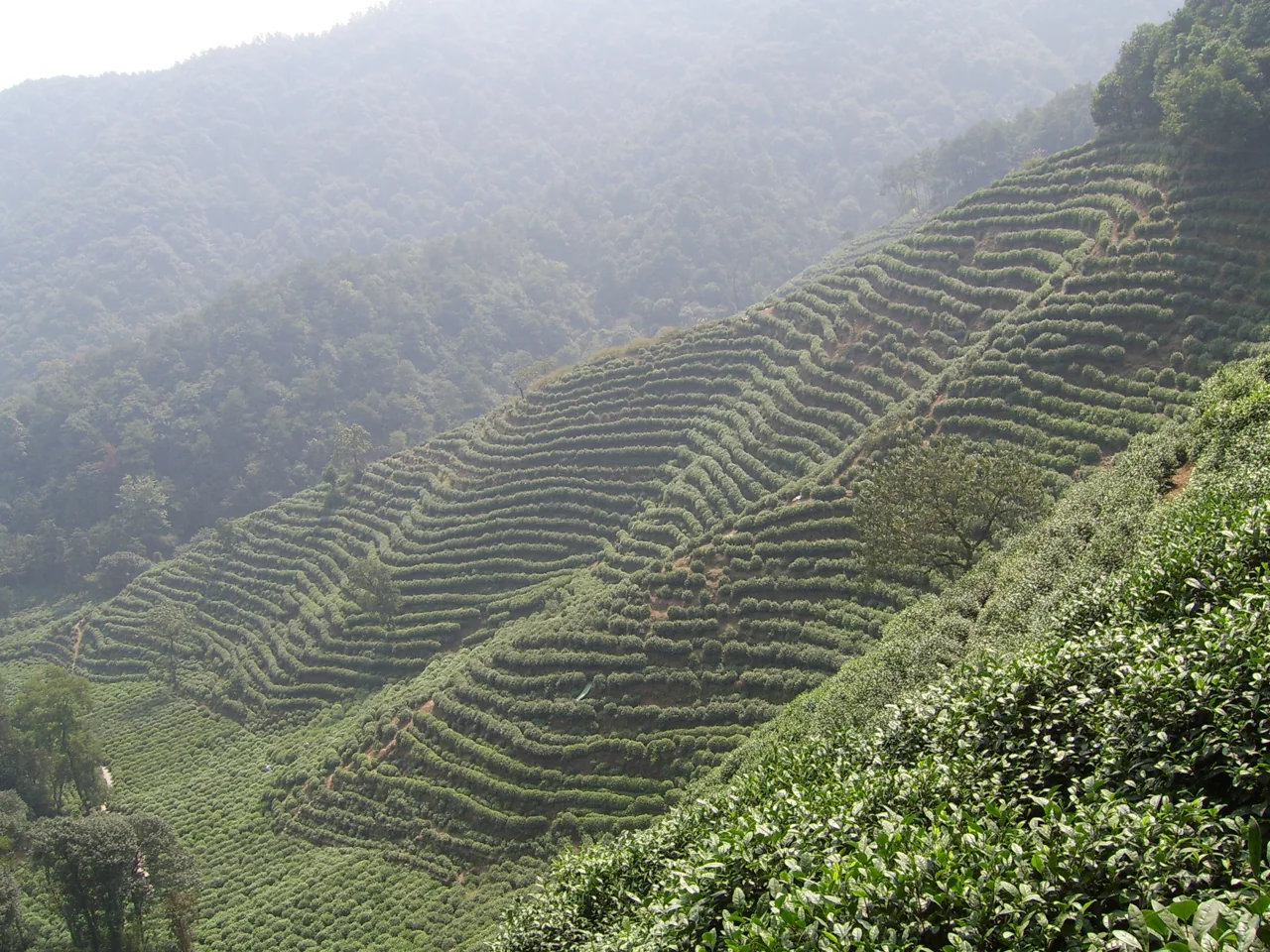
The tea gardens around West Lake benefit from a mild climate, misty mornings, and fertile soil, creating the perfect conditions for growing high-quality tea.
1.3 A Tea for Emperors
Longjing tea has a long association with imperial appreciation and Hangzhou’s tea culture; not all Longjing was produced exclusively for emperors.
2. Top Tea Plantations to Visit in Hangzhou
2.1 Meijiawu Tea Village
- Overview: Known for its authentic tea-picking experiences, Meijiawu offers visitors a chance to explore the countryside and learn from local tea farmers.
- Highlights: Guided tea-picking tours, tea-tasting ceremonies, and scenic village walks.
2.2 Longjing Village
- Overview: The birthplace of Longjing tea, this village is nestled in the hills near West Lake and offers a traditional tea culture experience.
- Highlights: Meet tea masters, visit historical tea houses, and learn about the tea-making process.
2.3 Hangzhou Tea Museum
- Overview: Located near the tea gardens, this museum offers insights into the history and art of Chinese tea.
- Highlights: Interactive exhibits and guided tastings of various tea types.
3. Hands-On Tea-Picking Experience
3.1 What to Expect
A typical tea-picking session includes:
- Dressing in traditional tea-picking attire.
- Learning the proper techniques to pick tender tea leaves.
- Exploring the fields with a local guide who shares the history of the plantation.
3.2 Tips for Tea Picking
- Pick only the top two leaves and the bud for the best quality tea.
- Be gentle to avoid damaging the plant.
- Wear comfortable shoes and sun protection, as the terrain can be uneven.
3.3 Seasonal Timing
Spring is the principal visitor tea-picking season, with exact dates depending on weather and the farm. “Mingqian” specifically means tea picked before Qingming; it does not describe all tea harvested from March through May.[3]
4. The Art of Longjing Tea Processing
4.1 Step-by-Step Process
- Withering: Freshly picked leaves are spread out to remove moisture.
- Pan-Firing: Leaves are hand-fried in large woks to stop oxidation and preserve their green color.
- Shaping: Leaves are pressed and shaped into their signature flat appearance.
- Drying: Final moisture is removed to ensure the tea’s longevity.
4.2 Why Hand-Firing Matters
Skilled tea artisans use hand-firing techniques to control heat and shape the leaves. Ask to see a demonstration; hand processing alone is not a guarantee of superior quality.
5. Tea Tasting: Savoring the Essence of Longjing Tea
5.1 How to Brew Longjing Tea
- Heat water to around 80°C (176°F) to prevent bitterness.
- Add a teaspoon of tea leaves per cup.
- Pour hot water and let steep for 2–3 minutes.
5.2 Tasting Notes
- Aroma: Grassy with hints of roasted chestnut.
- Flavor: Refreshing, sweet, and smooth with a lingering aftertaste.
- Appearance: Clear, light-green liquor.
5.3 Tea Etiquette
- Hold the cup with both hands as a sign of respect.
- Sip slowly to appreciate the nuanced flavors.
6. Other Activities Around Hangzhou’s Tea Gardens
6.1 Strolling Through West Lake
Combine your tea experience with a leisurely walk or boat ride on the iconic West Lake.
6.2 Visiting Lingyin Temple
Explore this ancient Buddhist temple, located near many tea plantations.
6.3 Trying Local Cuisine
Enjoy dishes infused with tea, such as Longjing shrimp, a local specialty.
7. Tips for Planning Your Tea Garden Visit
7.1 Transportation
- From Hangzhou City: Take a taxi or public bus to reach Meijiawu or Longjing Village.
- For a Hassle-Free Trip: Book a guided tour that includes transportation.
7.2 What to Bring
- Comfortable clothing and shoes.
- Reusable water bottle.
- A notebook to jot down tea-making tips.
7.3 Language Tips
Learn a few basic phrases in Mandarin or use a translation app to communicate with locals.
Longjing tea FAQs
When is the best time to visit Hangzhou for a tea-picking experience?
The best time is during the spring tea harvest season, typically from late March to early May.
Can I bring home tea from Hangzhou?
Tea shops sell Longjing to take home. Check origin, harvest information and sealed packaging, keep the receipt, and verify your destination’s food/plant import rules before buying.
Do I need to book a tea-picking experience in advance?
It’s recommended, especially during peak seasons. Many plantations offer online bookings.
Is the tea-picking experience suitable for families with children?
Absolutely! Many plantations offer family-friendly tours with engaging activities.
What should I wear for a tea-picking trip?
Wear comfortable clothes and shoes. Some plantations provide traditional tea-picking attire for photo opportunities.
Related
China entry and transit requirements — see the updated guide
2.West Lake Hangzhou, Top Scenic Sites of Xihu Lake in Hangzhou (chinahighlights.com)
Notes & sources
These notes support the specific corrections above. They do not mean that every sentence, future opening time or individual eligibility has been verified.
Correction notes and source scope
Remove generic health-benefit claim, keep history/aroma/aftertaste.
Editorial correction; no new factual-verification date claimed.Remove overbroad exclusivity claim.
Editorial correction; no new factual-verification date claimed.Correct harvest terminology.
Hangzhou government: Longjing tea harvestSource checked 2026-10-31Remove unverifiable categorical superiority claim.
Editorial correction; no new factual-verification date claimed.Correct place-name spelling.
Editorial correction; no new factual-verification date claimed.Remove universal take-home permission and quality guarantee.
Editorial correction; no new factual-verification date claimed.Replace obsolete 144-hour/current-year link label; keep existing internal destination for the separately revised entry page.
Editorial correction; no new factual-verification date claimed.
- Hangzhou government: Longjing tea harvest
Tea-growing tradition and harvest terminology.
Checked 2026-10-31